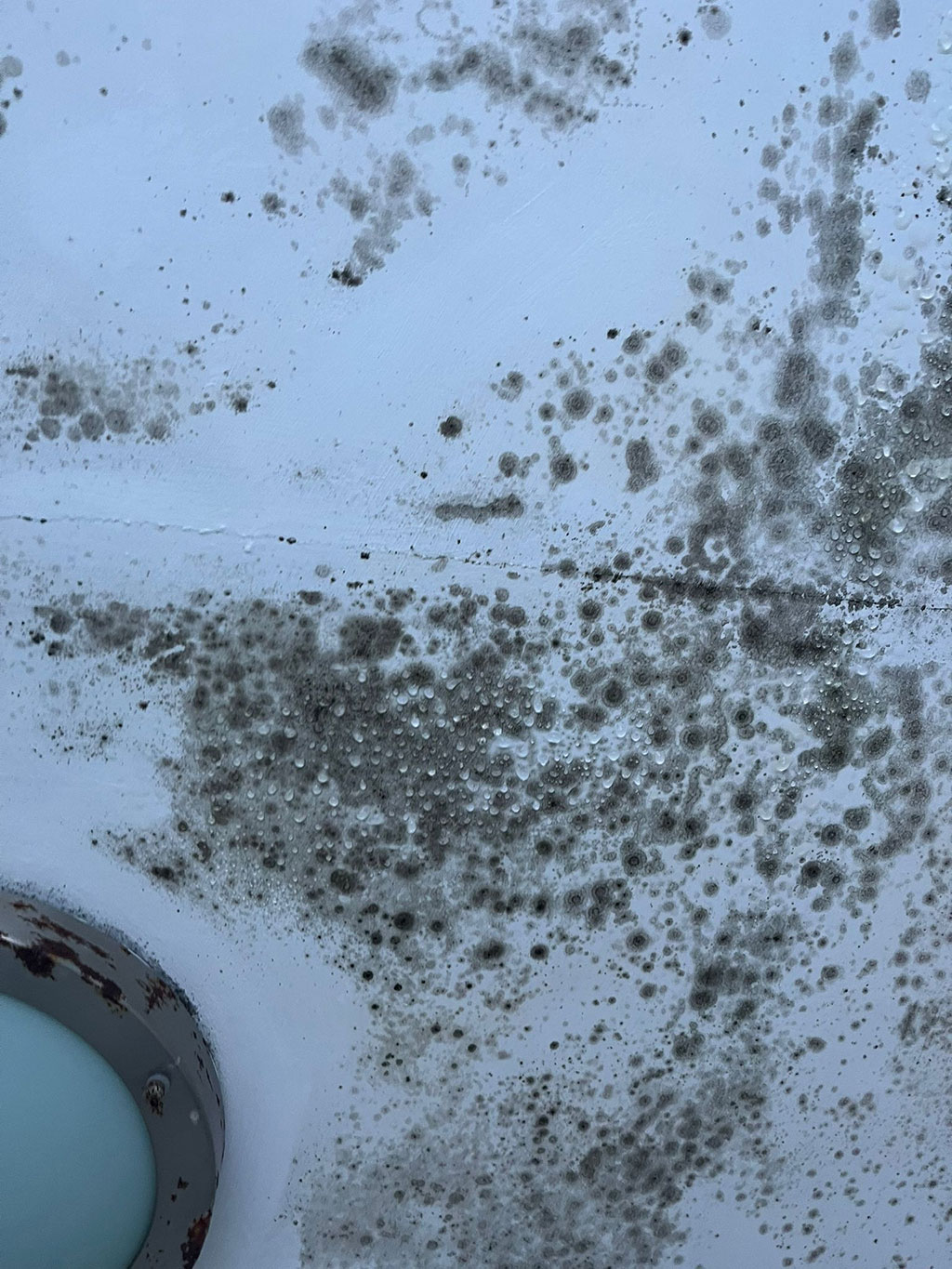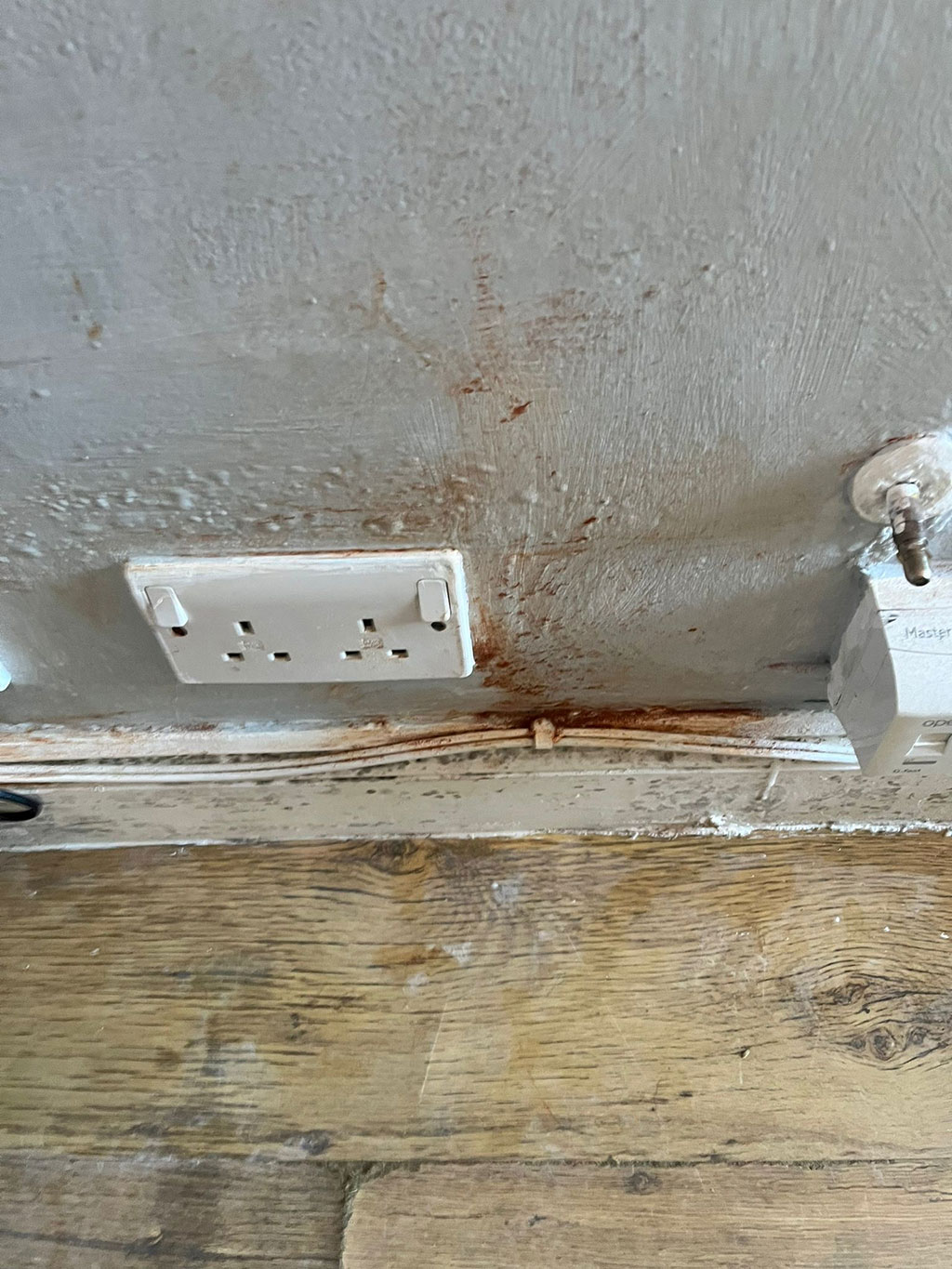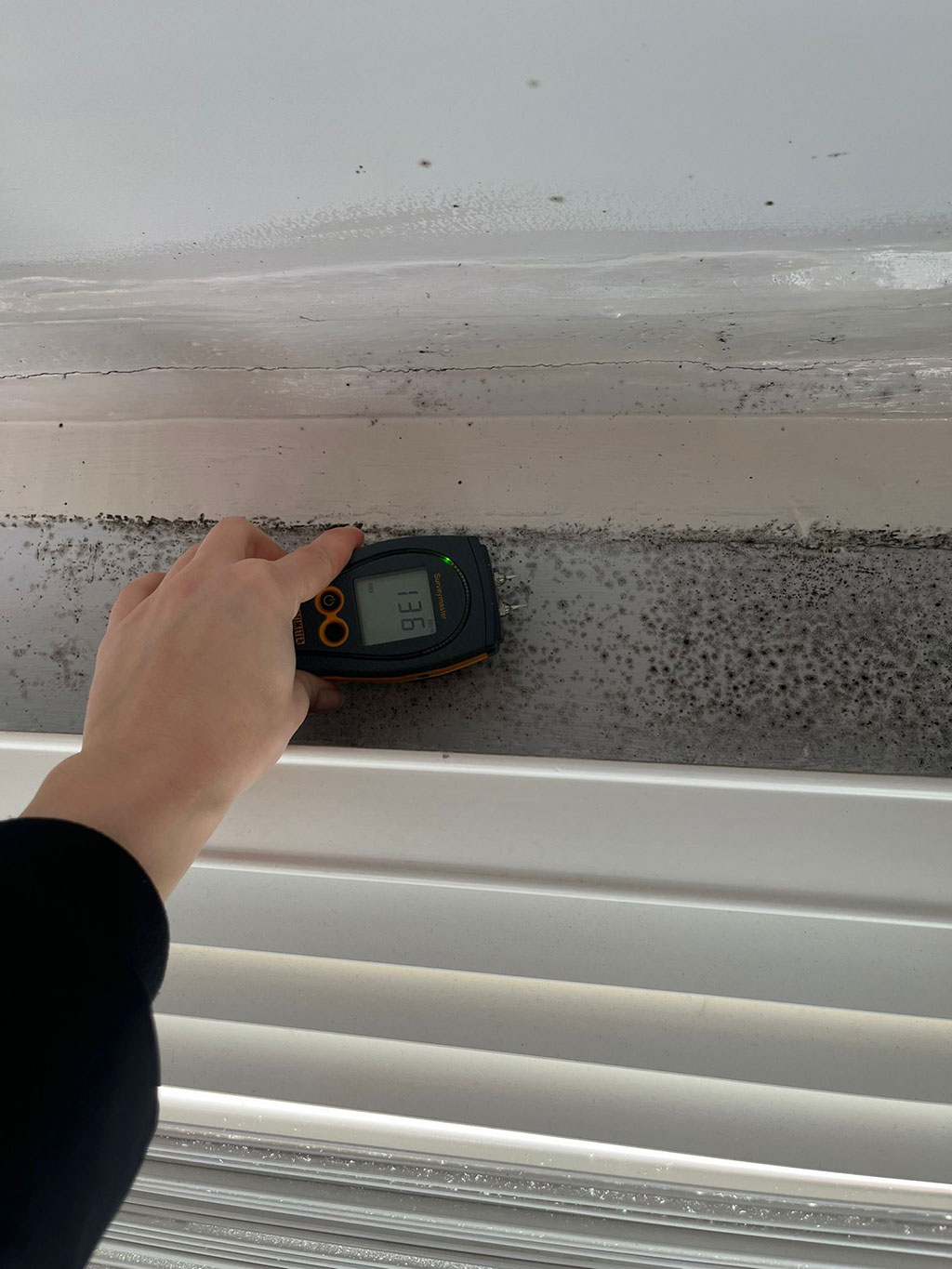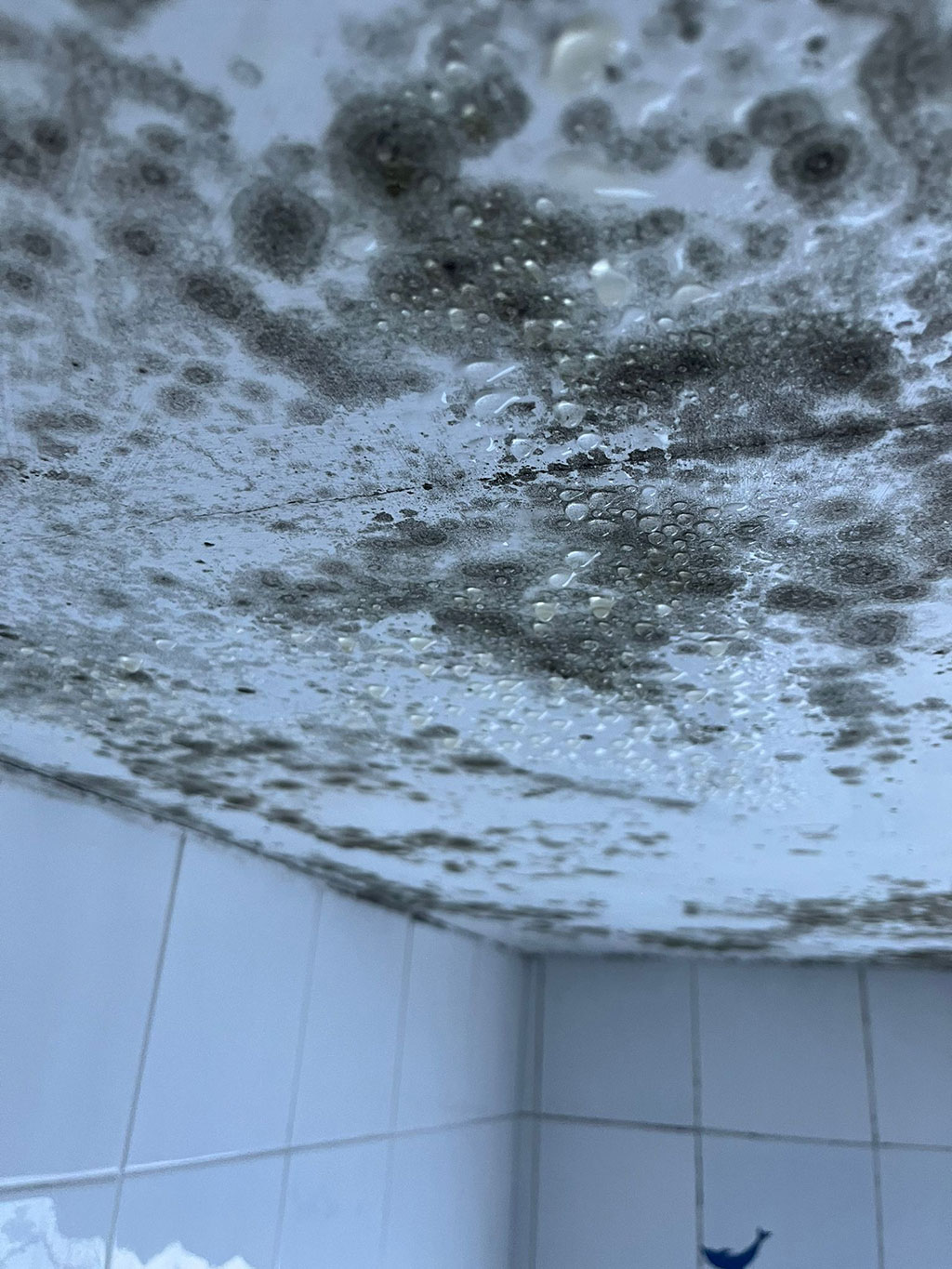



Damp and mould complaints have long been one of the most contentious issues between landlords and tenants. With the introduction of Awaab’s Law under the Renters Reform Bill, the way these complaints are handled is about to change significantly.
Landlords will be under increased legal pressure to investigate, evidence, and resolve reported damp and mould issues within defined timescales.
Crucially, assumptions, generic repairs, or placing responsibility solely on tenant behaviour will no longer be sufficient.
This is where independent damp and mould surveying plays a critical role.
What Is Awaab’s Law and Why Does It Matter?
Awaab’s Law was introduced following the tragic death of two year old Awaab Ishak, where prolonged exposure to mould in social housing was a contributing factor.
The legislation aims to ensure that damp and mould hazards are treated as serious health risks, not cosmetic defects.
For landlords, this means:
- Clear legal obligations to investigate complaints promptly
- Defined timeframes for assessment and remediation
- Increased scrutiny from local authorities and the Housing Ombudsman
- Greater emphasis on evidence-based decision-making
Failure to follow a robust process may expose landlords to enforcement action, compensation claims, and reputational damage.
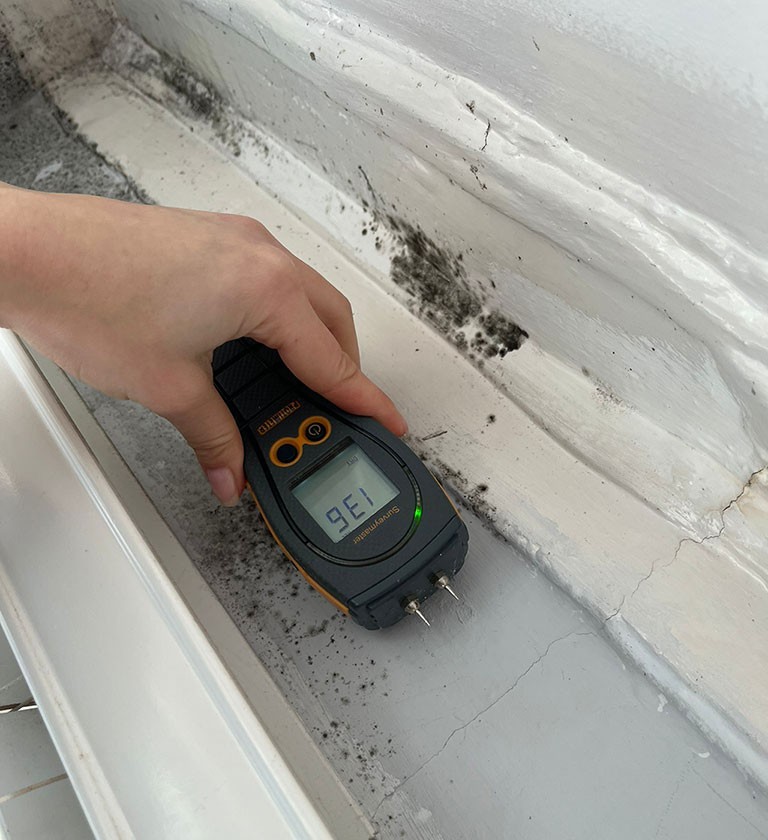
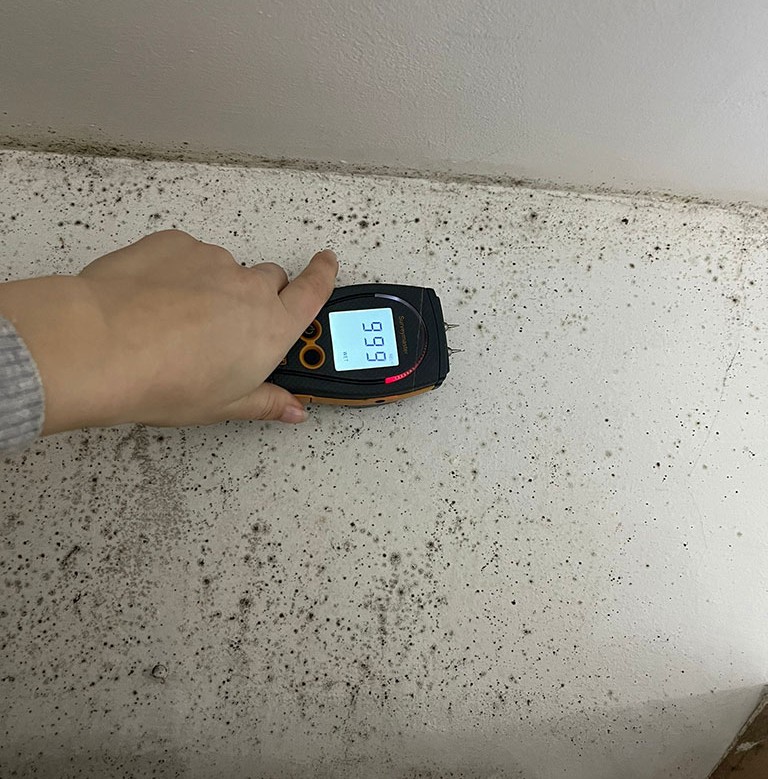
Mould not always “Just Condensation”
One of the biggest challenges with damp and mould complaints is that they are often multi-factorial.
The visible mould is usually the symptom, not the cause.
Common contributory factors include:
- Inadequate ventilation or defective extract systems
- Cold surfaces caused by thermal bridging
- Historic or current water ingress
- Bridging of damp proof courses
- Poor detailing, insulation gaps, or modern alterations to older buildings
- Lack of adequate mechanical ventilation
Without a structured investigation, landlords risk spending money on ineffective solutions that fail to resolve the underlying problem.
The Risk of Using Specialised Contractors
Many landlords are still advised on damp and mould issues by contractors, whose business model, in many cases, is centred on selling specific remedial works.
While this does not mean their advice is always incorrect, it does introduce a potential conflict of interest.
Under Awaab’s Law, this approach carries increased risk.
An independent surveyor, in contrast does not carry out remedial works and focuses on root cause analysis, not product-led solutions.
This in turn provides a defensible, evidence-based report which can then be used suitable for dispute resolution. Furthermore, the type of remedial action recommended tents to focus more on most effective solutions and is catered to each individual case.
The Value of an Independent Damp & Mould Survey
An independent survey provides landlords with:
- A clear diagnosis of the cause(s) of damp or mould
- Objective evidence to support decision-making
- Practical, proportionate recommendations
- A documented audit trail demonstrating compliance
- Protection in the event of complaints escalation
This approach supports landlords who act responsibly, fairly, and in line with emerging legal expectations.
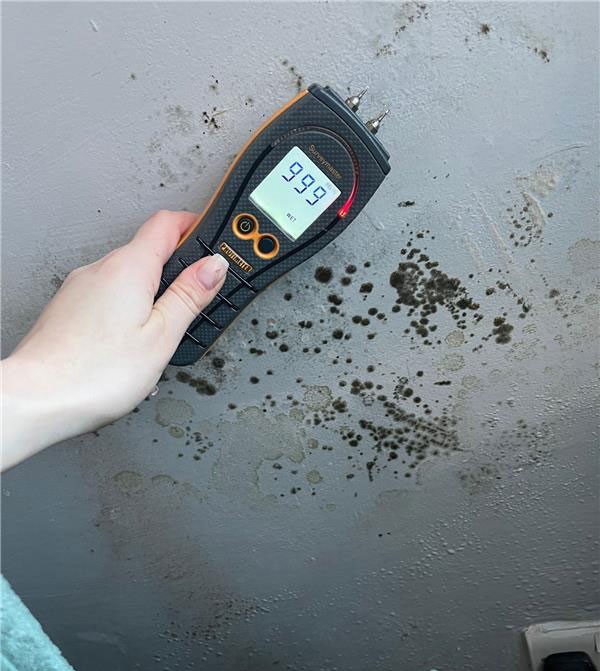
Supporting Tenants
Awaab’s Law also shifts the tone of damp and mould management. Blame-based responses are increasingly viewed unfavourably.
Independent surveys allow for:
- Clear explanations provided to tenants
- Practical advice on heating, ventilation, and moisture control
- Identification of where landlord responsibility ends and tenant responsibility begins
- Constructive engagement rather than conflict
Educating tenants is often part of the long-term solution, particularly where condensation is a contributory factor.
With Awaab’s Law coming into force, damp and mould can no longer be treated as a minor maintenance issue.
Independent, professional assessment is becoming an essential part of responsible property management.
Engaging an independent damp and mould surveyor early is no longer just good practice, it is risk management.